

The Heart of Turkish Hospitality
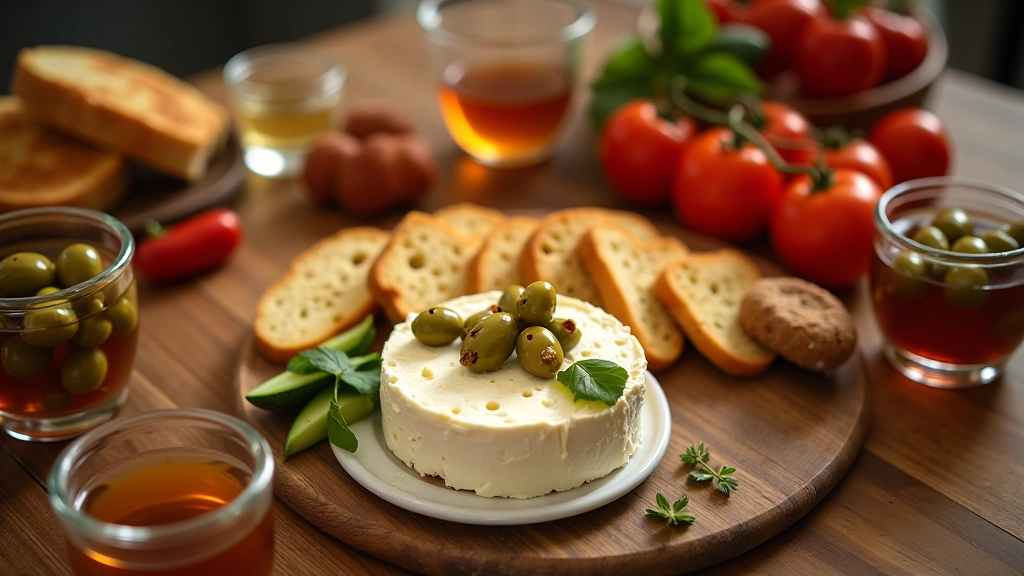
Turkish breakfast isn't just a meal — it's a ritual. When you sit down to a traditional kahvaltı, you're participating in something that's been largely unchanged for centuries. Unlike the rushed breakfasts of many Western cultures, this is meant to be leisurely, communal, and deeply satisfying.
What makes it special? It's the simplicity combined with quality ingredients. You won't find complicated recipes or elaborate cooking techniques. Instead, you'll find fresh cheese, perfectly ripened olives, warm bread still fragrant from the oven, honey that tastes like it came straight from the bees, and strong tea that's been brewed just right. These aren't exotic or rare items — they're the everyday staples that have fed Turkish families for generations.
The Essential Components
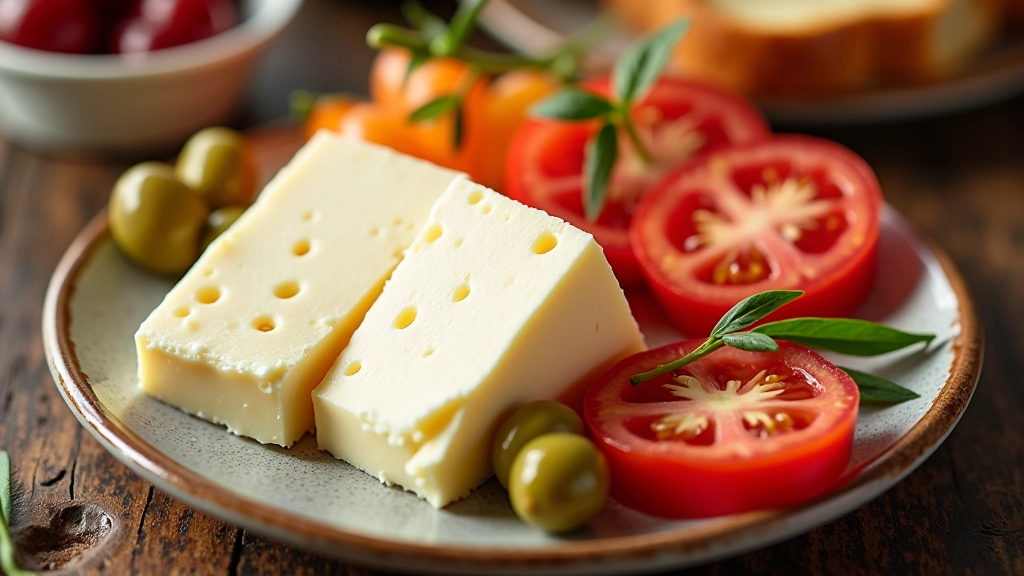
Every traditional Turkish breakfast contains specific elements, each with its own purpose and place on the table. The cheese — usually beyaz peynir (white cheese) — is soft, salty, and slightly tangy. It pairs perfectly with fresh vegetables and bread. Olives come in different varieties: some are green and slightly bitter, others are black and buttery. They're never rushed — you'll sit with a bowl of them, enjoying each one slowly.
Honey is another cornerstone. Not the thin, processed kind, but thick, rich honey that you spread on warm bread. The bread itself — usually simit or a simple white loaf — is baked daily. You'll want it fresh because day-old bread just doesn't work the same way. Then there's the tomatoes and cucumbers, sliced fresh and sprinkled with salt. Nothing fancy, just good vegetables at their peak.
Tea and Timing

You can't talk about Turkish breakfast without mentioning çay — the strong black tea that's brewed in a special double teapot called a çaydanlık. The bottom pot has boiling water, the top has concentrated tea that's steeped for about three to five minutes. You pour a bit of the concentrate into a glass, then add hot water to your preferred strength. Most people drink it strong and sweet, with plenty of sugar.
The timing is important. Breakfast happens slowly, usually between 7 and 9 in the morning on weekdays. Weekends? That's when you've got time. You're not rushing out the door. You're sitting down, maybe reading the paper, definitely having multiple glasses of tea. Each tea refill is an excuse to keep the conversation going, to linger at the table a bit longer.
The Regional Variations
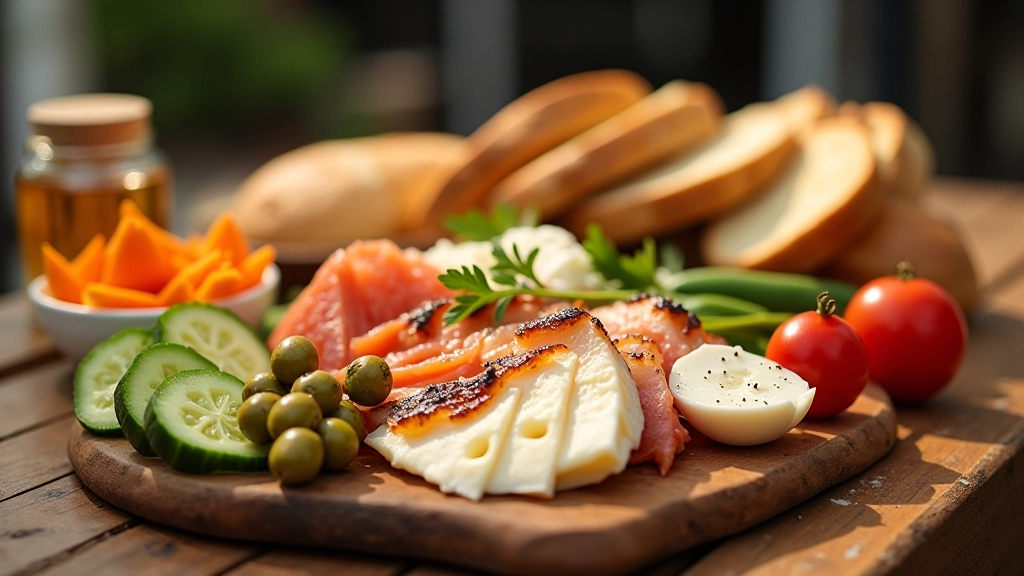
While the core components stay consistent across Turkey, different regions add their own touches. In coastal areas near Istanbul and the Aegean, you'll find fresh seafood like anchovies or mackerel — smoked or grilled — appearing alongside the standard items. In Central Anatolia, you're more likely to see menemen (a scrambled egg dish with tomatoes and peppers) or pastirma (cured beef). The mountains bring their own local cheeses and dried meats.
But here's the thing — these additions never overshadow the basics. The cheese, olives, bread, and tea remain the foundation. Everything else is just an enhancement, a local flourish that respects the tradition while adding character. This flexibility is actually what's kept Turkish breakfast alive and relevant for so long. It's not rigid. It adapts to what's available and what tastes good.
Why This Matters Today
In a world obsessed with convenience and speed, Turkish breakfast represents something countercultural. It's slow. It's intentional. It's about quality over quantity. You're not grabbing something to eat in the car — you're sitting down, taking time, enjoying food with people you care about. That's not just nostalgia talking. There's actual value in that approach to eating and living.
When you understand Turkish breakfast traditions, you're understanding a culture's values. The emphasis on fresh, simple ingredients reflects respect for nature and honest food. The communal aspect — gathering around a table — shows the importance placed on family and connection. The slow pace suggests that some things shouldn't be rushed. These aren't lessons just for breakfast time. They're applicable to how we live our entire lives.
Key Takeaway
Traditional Turkish breakfast succeeds because it's built on respect for ingredients, time, and togetherness. There's no pretense, no complicated technique. Just good food, prepared simply, eaten slowly, in the company of others.